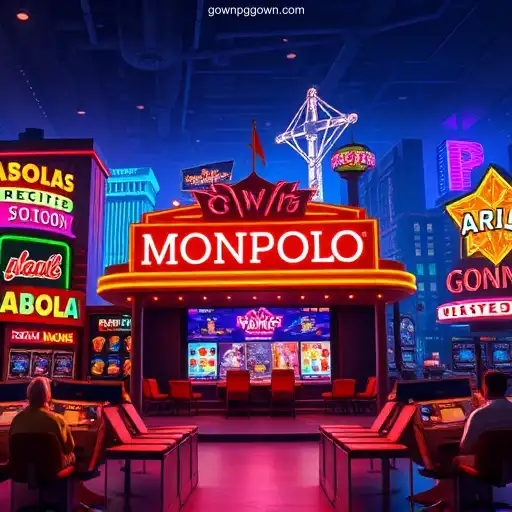
The Concept of Monopoly in the Digital Age
Monopoly, a term that often stirs a multitude of emotions, ranging from concern to curiosity, is fundamental to understanding modern economic dynamics. Rooted in the Greek words ‘monos’ and ‘polein’, meaning ‘single seller’, monopolies have been a critical subject of economic analysis for decades. Especially in recent years, the implications of monopolistic practices have taken on new dimensions as industries evolve and the digital marketplace expands.
Historical Context of Monopolies
Throughout history, monopolies have often been at the forefront of economic discussion. Traditionally, a monopoly exists when a single company or entity exclusively controls a commodity or service in a particular market, limiting choices for consumers and eliminating competition. In the days of the Industrial Revolution, companies that controlled steel and railroads were examined for monopolistic practices. The principle concern was that these companies could set prices at their discretion, negatively impacting consumers and smaller businesses.
The Digital Arena and Online Platforms
In our contemporary era, the digital world presents a new playground for monopolistic behaviors, particularly in the online gaming market. A striking example of this evolution is seen with platforms like "GOWN PG Cassino online licenciado com 2.500+ jogos certificados, bônus R$ 5.000💸," which host a vast array of online games and bonuses. With over 2,500 certified games, this kind of platform represents both an opportunity and a potential monopoly, offering significant incentives to attract users.
Barriers to Entry
In the context of online gaming and casinos, barriers to entry can be substantial. Platforms that hold numerous licenses and certifications can dominate the market, making it challenging for newcomers to compete. The vast array of certified games and substantial bonuses, such as the R$ 5,000 offer, are enticing to new gamers but also underscore the platform's established dominance. As a result, smaller entrants may struggle to gain a foothold in a market that demands high levels of investment in certification and marketing to achieve similar credibility and user base.
Consumer Impact and Market Practices
The rise of platforms such as "GOWN PG Cassino" exemplifies how monopolistic structures can affect consumer choices and market dynamics. With such platforms offering an extensive library of games, consumers may find it convenient to remain loyal to a single platform rather than exploring others, leading to reduced competition. The substantial onboarding bonuses entice users to stay, creating a dependency that smaller competitors find hard to replicate.
The challenge of Innovation
When a single entity monopolizes a sector, innovation can be stifled as the competitive drive to offer better, more innovative services diminishes. However, it's worth noting that a well-positioned monopoly, with its deep pockets, might be well-equipped to drive innovation within its market. In digital platforms where frequent updates and technological advancements are a norm, this can be both a pro and a con.
Regulatory Environment
The role of regulators is crucial in industries susceptible to monopolies. In the realm of online casinos, regulatory bodies are tasked with ensuring fair play and maintaining standards that prevent market leaders from engaging in unfair practices. The certification of games, such as those offered by GOWN PG Cassino, is part of this regulatory framework to ensure a monopoly doesn't exploit its position unfairly. Regulatory oversight helps preserve market balance by ensuring that the rules of fair competition are enforced, offering equal opportunities for the emergence of new entrants.
Conclusion
As the digital economy expands and the online marketplace becomes a staple for consumer and business interaction, understanding the dynamics of market monopolies remains vital. The example of "GOWN PG Cassino online licenciado com 2.500+ jogos certificados, bônus R$ 5.000💸" underlines how market power can be both a driving force for providing a comprehensive customer experience and a potential obstacle in the path of competitive balance. Navigating the fine line between market dominance and monopolistic practice is a challenge that both regulators and businesses will continue to face as we propel further into the digital age.